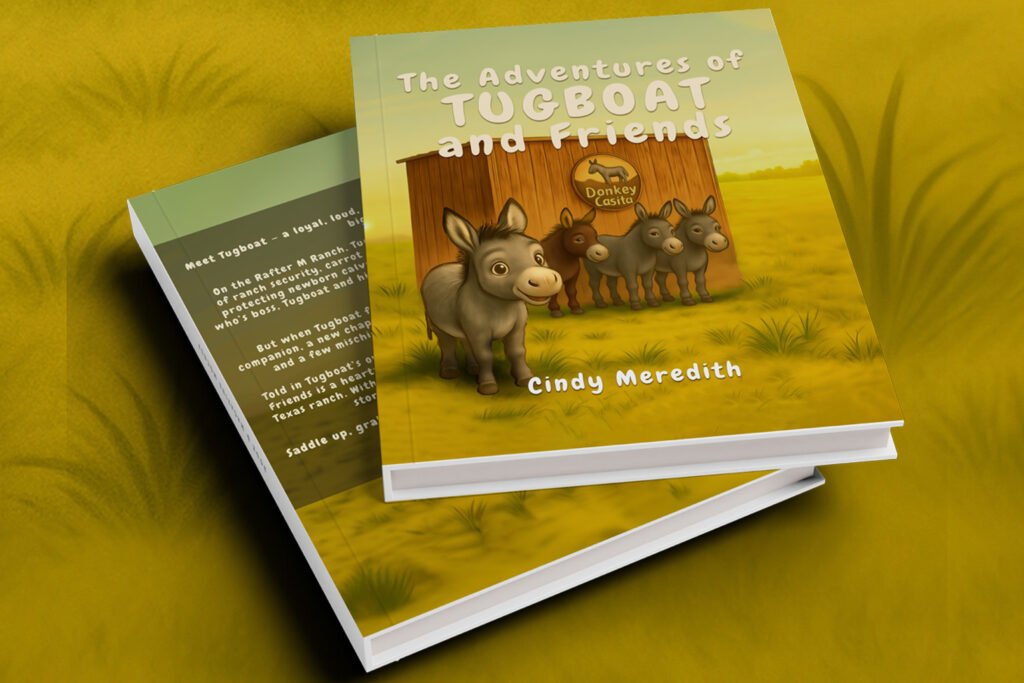

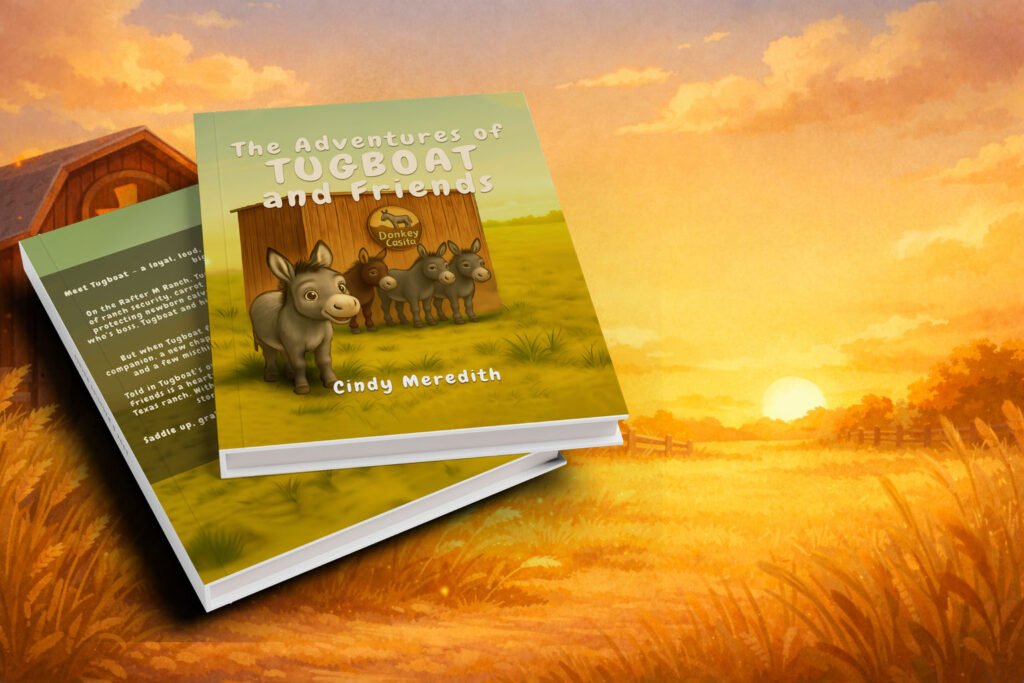
This blog will explore ways to help children develop both intellectually and emotionally, emphasizing the importance of early education, social skills, and emotional intelligence. Drawing from the adventures of Tugboat and his friends, it will highlight how nurturing empathy, curiosity, and problem-solving skills can shape a child’s path to becoming a smart, well-rounded individual. The blog will provide tips for parents and educators on creating environments that encourage curiosity, learning, and emotional growth, helping children become confident, compassionate, and smart individuals.
As parents and educators, we all want our children to grow up to be smart, confident, and successful. But what does it really mean to help a child be “smart”? It’s not just about excelling in academics or getting good grades—it’s about nurturing intellectual curiosity, emotional intelligence, and the ability to problem-solve. Just like Tugboat and his friends, who face daily challenges on the Rafter M Ranch, children need to develop a wide range of skills that will prepare them for success in life. In this blog, we’ll discuss how to help your child become smarter, not just in school, but in their emotional and social world as well.
Why Emotional Intelligence Matters
Being “smart” goes beyond traditional academics. Emotional intelligence (EQ) is just as important as IQ. It’s about understanding one’s emotions, managing them effectively, and navigating social situations with empathy and communication. Tugboat’s journey with his friends demonstrates this well. Whether it’s showing kindness to the calves or working together to protect the ranch, the donkeys’ ability to understand and support each other emotionally is key to their success.
Research has shown that children with high emotional intelligence tend to do better in school, have stronger relationships, and are better equipped to handle life’s challenges. By teaching your child to manage their emotions and relate to others, you are providing them with skills that will serve them throughout their life.
Tips for Helping Your Child Be Smart
- Encourage Curiosity and Exploration
- Just like Tugboat’s adventures, children learn best when they are encouraged to explore, ask questions, and discover new things. Foster your child’s curiosity by providing opportunities for them to explore their interests, whether it’s through reading, hands-on activities, or creative play. Let them know that learning doesn’t just happen in a classroom—it happens every day, everywhere.
- Promote Emotional Intelligence
- Teach your child how to recognize and express their feelings in healthy ways. Encourage them to talk about their emotions, practice empathy, and understand how others might be feeling. This helps them develop the social skills needed to interact positively with peers and adults, just as Tugboat learns to care for and protect his friends.
- Create a Supportive Learning Environment
- Whether at home or in school, children thrive in environments where they feel safe, supported, and encouraged. Just like the Rafter M Ranch provides Tugboat and his friends with a secure, nurturing space to grow, ensure that your child has a place where they can express themselves freely, ask questions, and learn without fear of judgment.
- Promote Problem-Solving and Critical Thinking
- Children who develop problem-solving skills are better equipped to handle challenges, both academically and socially. Encourage your child to think critically and creatively by asking open-ended questions, playing strategy games, or discussing real-world scenarios. Tugboat and his friends often need to use their creativity to overcome obstacles—whether it’s figuring out how to protect the calves or learning to work together as a team.
- Set Realistic Expectations and Celebrate Effort
- It’s important to set realistic expectations for your child’s growth, both intellectually and emotionally. Celebrate their efforts, not just the outcomes. Whether they solved a problem on their own or showed empathy toward a friend, praise them for the process of learning and growing. This helps build confidence and resilience, qualities that will serve them well throughout life.
The Power of Play and Exploration
Just as Tugboat and his friends engage in playful activities on the ranch, children learn through play. Play allows children to practice social interactions, develop problem-solving skills, and explore new ideas. It is a crucial component of early childhood development. Encourage your child to engage in both structured and unstructured play, allowing them to experiment, learn, and grow through their experiences.
Conclusion
Helping your children become smart isn’t just about academic achievements—it’s about nurturing their curiosity, emotional intelligence, and problem-solving skills. Like Tugboat and his friends, they need a balance of intellectual and emotional growth to navigate the world around them. By fostering a supportive environment that encourages exploration, empathy, and critical thinking, you can set your child on the path to becoming not only smart but also compassionate, confident, and ready for life’s adventures.