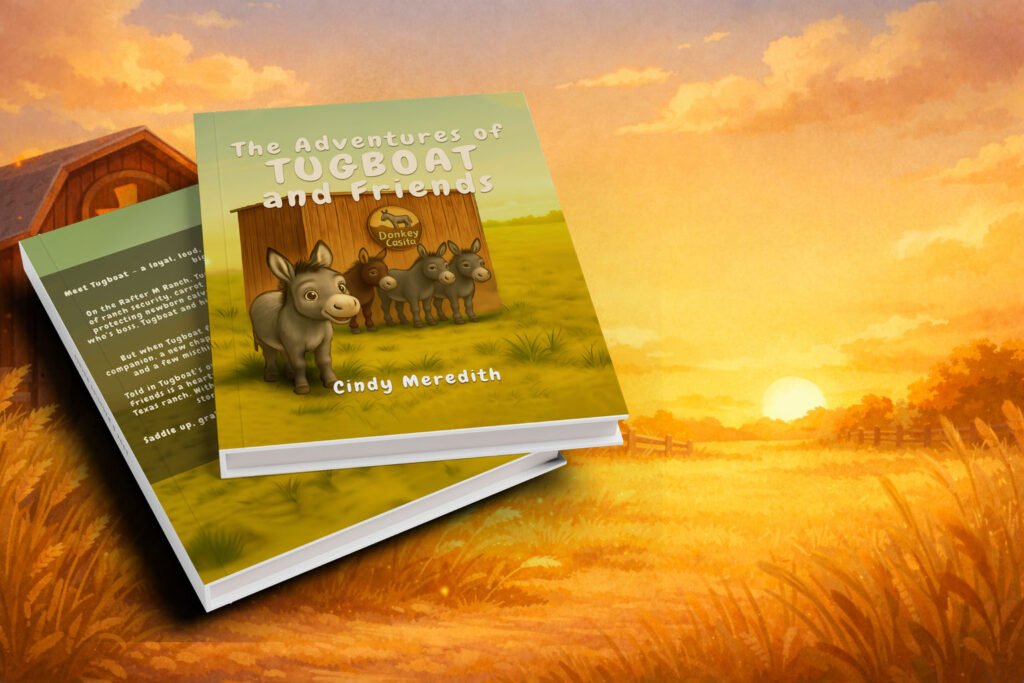

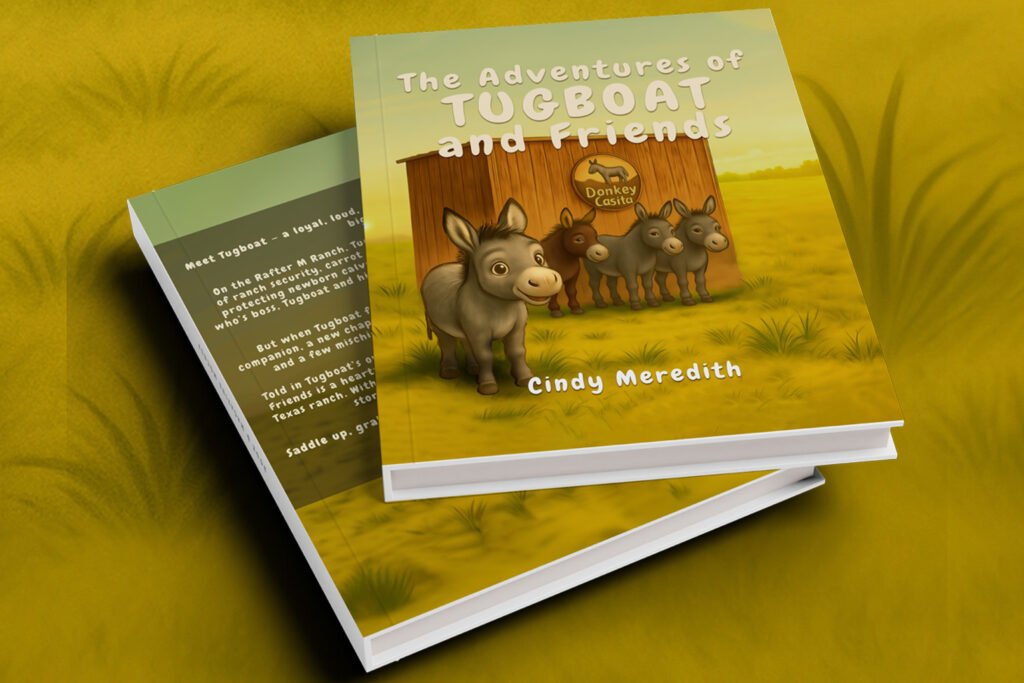
This blog will explore the importance of teaching children the skills of effective communication. It will focus on how clear and open communication is essential for building strong relationships, boosting confidence, and resolving conflicts. By using Tugboat’s adventures and interactions with his friends, the blog will highlight how teamwork, patience, and understanding are integral parts of communication. It will offer practical tips for parents and educators on fostering communication skills in children, ensuring they grow up to be confident speakers and active listeners.
Effective communication is a cornerstone of personal development. It’s how we connect, express ourselves, and understand others. For children, building strong communication skills is essential for their emotional and social growth. As parents and educators, it’s important to provide opportunities for children to develop their communication skills, both in the classroom and at home. Let’s take inspiration from The Adventures of Tugboat and Friends, where the donkeys on Rafter M Ranch teach valuable lessons about teamwork, patience, and, most importantly, communication.
In the story, Tugboat, along with his friends Tank, Pancho, Lefty, and Pedro, works together to navigate ranch life. Each character brings their unique voice to the group, and while they face challenges, their success comes from their ability to communicate openly with one another. Tugboat’s adventures remind us that, just like the donkeys, children must learn how to express their feelings, listen actively, and work together as a team to solve problems.
Why Communication Matters for Children
Good communication is essential for children’s academic success, emotional intelligence, and social interactions. When children communicate effectively, they are better equipped to navigate the challenges they encounter in life. They can express their needs, understand others, and build stronger, more positive relationships with their peers and family members.
Tugboat’s story shows us that when everyone communicates and works together, success becomes much easier to achieve. Whether it’s protecting the calves from coyotes or simply figuring out how to share the best spots for a nap, Tugboat and his friends learn that listening, sharing, and expressing themselves are essential to solving problems and having fun.
Tips for Improving Communication Skills in Children
- Encourage Active Listening: Teach children to listen attentively when someone else is speaking. Encourage them to make eye contact, nod in agreement, and ask questions to show they understand.
- Use Open-Ended Questions: Ask children questions that require more than a simple yes or no answer. This encourages them to think critically and express their thoughts clearly. For example, “What did you like most about today’s adventure?” instead of “Did you enjoy today?”
- Model Positive Communication: Children learn by watching adults. Be mindful of how you communicate, especially when discussing emotions or difficult situations. Show them that it’s okay to talk about feelings, whether they are happy, sad, or frustrated.
- Promote Teamwork: Just like Tugboat and his friends, children need to learn how to work together and communicate within a group. Encourage group activities, both in and outside the classroom, that foster collaboration.
- Praise Efforts, Not Just Results: Recognize when children make an effort to communicate clearly or listen attentively. Positive reinforcement helps build their confidence and encourages them to keep improving.
The Role of Play in Communication Development
Play is a powerful tool in helping children develop communication skills. Whether they are playing with friends, role-playing as characters, or simply interacting with family members, children learn valuable lessons about negotiation, sharing, and expressing themselves.
Tugboat and his friends regularly engage in playful activities that require teamwork and communication. Through these playful moments, they learn how to express their thoughts, feelings, and ideas in ways that benefit the group.
Conclusion
Tugboat’s adventures provide a perfect example of how communication, when done effectively, helps children build better relationships and achieve success in every adventure they embark on. By teaching kids the importance of listening, speaking clearly, and working together, we equip them with the tools they need to thrive both at home and in their communities. Through thoughtful practice and encouragement, we can help children become confident communicators, just like Tugboat and his friends.