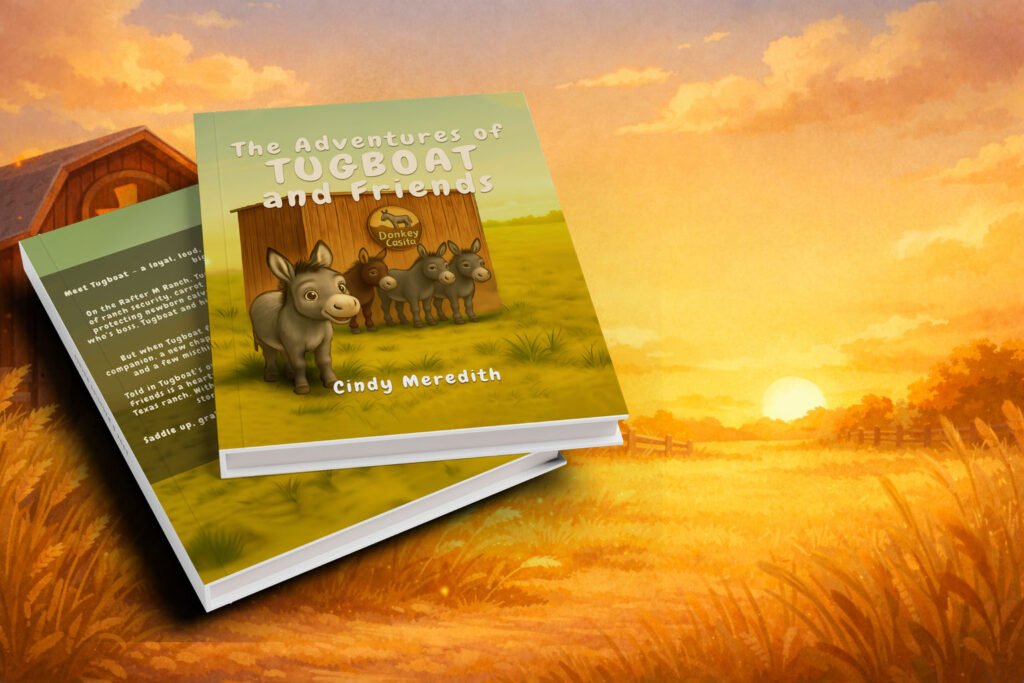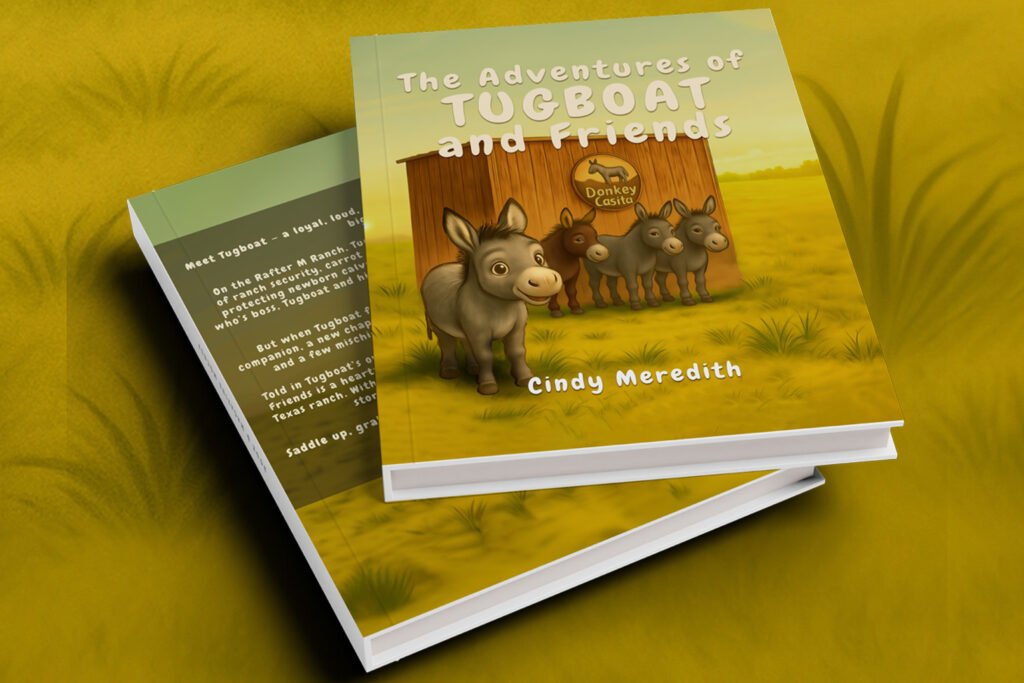

In this blog, we’ll explore the importance of starting early when it comes to literacy and learning in young children. Using The Adventures of Tugboat and Friends as an example, we’ll highlight how storytelling can improve reading skills, comprehension, and vocabulary. The blog will offer practical tips on encouraging reading at home, such as using interactive books, role-playing characters, and involving children in daily reading activities. These methods not only foster an interest in reading but also help children develop essential cognitive skills in their early years.
As parents and educators, one of our primary goals is to nurture our children’s love for learning, particularly when it comes to reading. Early literacy skills are the foundation for a child’s success in school and life, making it essential to foster a passion for books and reading from a young age. One way to do this is through storytelling, just like in The Adventures of Tugboat and Friends, where Tugboat and his companions embark on heartwarming adventures filled with valuable lessons. In this blog, we’ll look at how early exposure to literature can encourage children to become confident readers, and provide tips on making reading fun and engaging.
Why Early Literacy is Important
The first few years of a child’s life are crucial for developing essential literacy skills. Research shows that children who are exposed to books and reading at an early age tend to perform better in school, develop stronger vocabulary, and have enhanced cognitive abilities. Early literacy doesn’t just mean knowing how to read; it’s about developing the skills necessary to understand stories, build empathy, and engage with the world around them.
Tugboat and his friends demonstrate the importance of communication and learning through storytelling. As the donkeys interact with each other and the world, children can easily relate to their experiences. Whether it’s learning teamwork, empathy, or problem-solving, the stories in The Adventures of Tugboat and Friends provide valuable life lessons while also improving reading comprehension.
Tips to Encourage Early Learning and Literacy
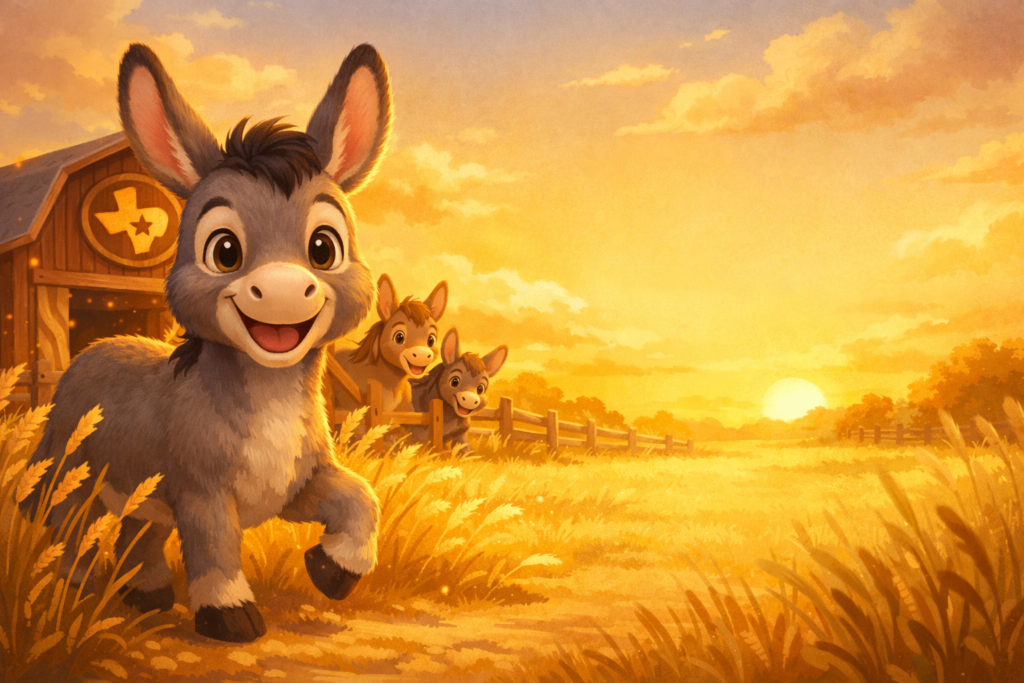
- Start with Picture Books: Books with engaging pictures and simple text are a great starting point for young readers. Tugboat’s adventures are an example of how illustrations help children connect with the story and stimulate their imaginations. Choose books that captivate your child’s attention and build their curiosity about the world.
- Read Aloud: One of the best ways to engage your child in reading is to read aloud to them. This allows you to model pronunciation, intonation, and expression. It also helps children understand the flow of language and how sentences are structured.
- Incorporate Role-Playing: Turn reading into an interactive activity by encouraging your child to act out the characters. Whether they’re playing as Tugboat or one of his friends, role-playing brings the story to life and helps children connect with the material in a meaningful way.
- Use Interactive Books: Books with flaps to lift, textures to feel, or sounds to hear can capture the attention of young readers and make learning more enjoyable. These interactive elements help children stay engaged and develop a love for books early on.
- Make Reading a Routine: Consistency is key when it comes to developing literacy skills. Set aside time every day for reading. Make it a cozy, quiet activity that your child can look forward to, just like Tugboat’s cozy donkey casita at the end of a long day.
- Ask Questions and Discuss the Story: After reading, ask your child questions about the story. What did Tugboat and his friends learn on their adventure? How did they help each other? Discussing the story helps children improve their comprehension and build their vocabulary.
The Power of Play and Exploration
Play is another powerful tool for learning. Just like Tugboat and his companions, children learn through exploring their environment and interacting with others. Encourage your child to explore the world around them, whether it’s through imaginative play, hands-on activities, or nature walks. This exploration enhances their cognitive and emotional development, making them more ready to embrace reading and learning.
Conclusion
Early literacy is about more than just teaching kids how to read—it’s about fostering a love for stories and learning. By reading together, playing, and exploring the world around them, children will develop the skills they need to succeed in school and beyond. Tugboat’s adventures show us how storytelling can teach valuable lessons and inspire young minds. With these practical tips, you can help your child develop a lifelong love of learning and reading.